.jpg&w=3840&q=75)
Actun Tunichil Muknal
Survival Guide
Everything you need to know before stepping into the most sacred cavern in the Mayan world.
Welcome to Xibalba: The Maya Underworld
Actun Tunichil Muknal (ATM Cave) isn't just a tourist destination; it is a sacred pilgrimage into the heart of Mayan history. Located near San Ignacio in the Cayo District of Belize, this cave system serves as a portal into the ancient past—a place where time has stood still for over a thousand years. National Geographic has ranked it as the #1 most sacred cave in the world, and for good reason.
In this comprehensive 2,000-word guide, we will break down elective physical requirements, the archaeological treasures hidden within, and the strict conservation rules that govern this delicate site. Whether you are a seasoned adventurer or a first-time traveler, this survival guide is your definitive resource for conquering the ATM Cave.
The Three Stages of the Expedition
The Jungle Trek
Before you even see the cave, you'll embark on a 45-minute hike through the Tapir Mountain Nature Reserve. This involves three river crossings (chest deep at times) and navigating through lush sub-tropical rainforest.
The River Passage
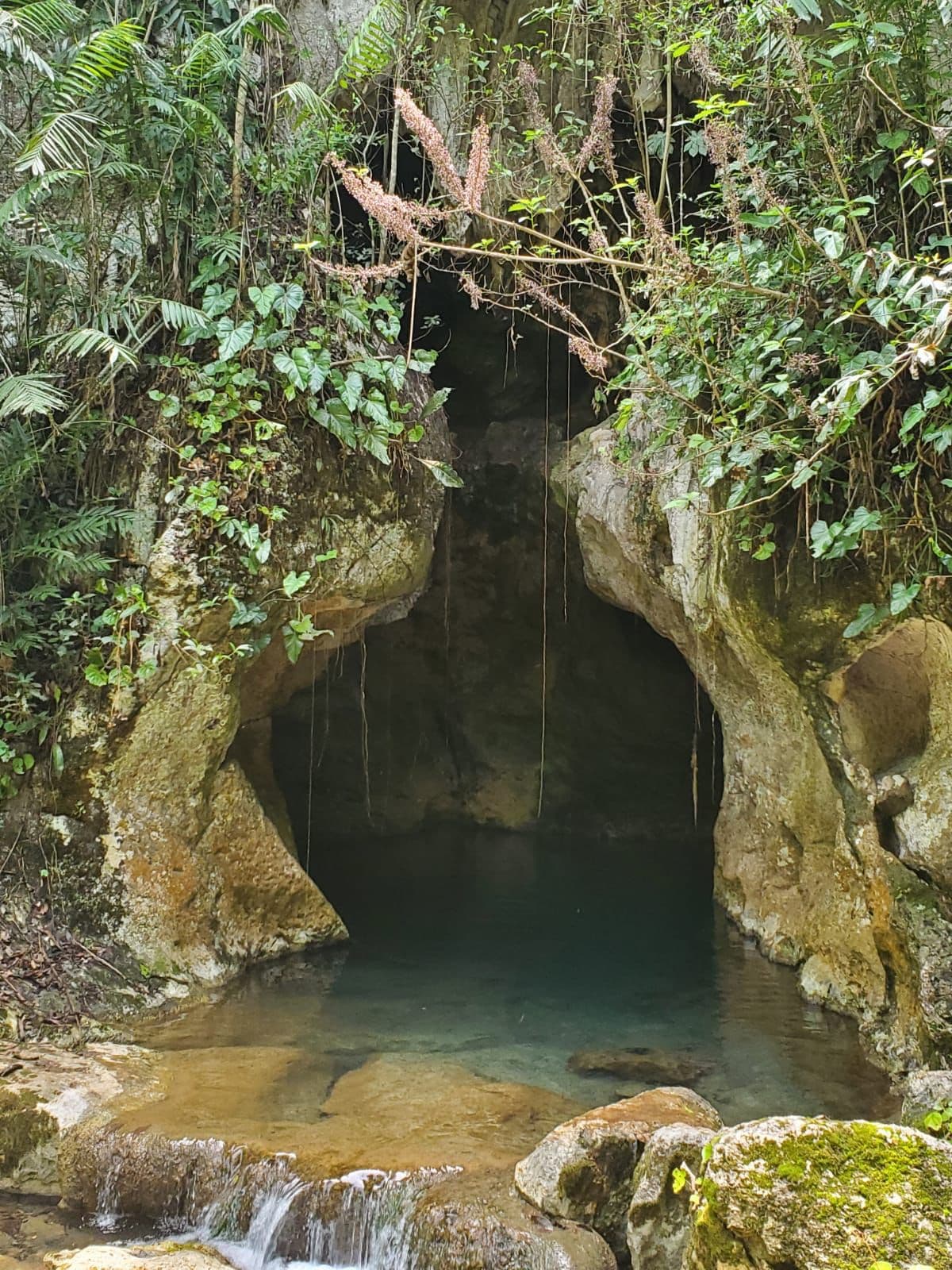
The entrance to the cave is a crystal-clear spring. To enter, you must swim about 30 feet into the dark cavern. Once inside, you'll spend two hours wading through water that varies from ankle-deep to chest-high, surrounded by cathedral-like formations.
The Upper Cathedral
Leaving the water behind, you'll climb into the dry upper chambers. This is where the archaeology truly begins. You'll be required to remove your shoes and walk in socks to protect the ancient calcified floors.
The Essential Packing List
👟 Footwear
You need closed-toe water shoes or lightweight sneakers with good grip. Heavy hiking boots become waterlogged and difficult to manage.
Pro Tip: Keens or Merrell water shoes are the gold standard for this tour.
👕 Clothing
Wear quick-dry synthetic materials. Cotton stays wet and cold once you enter the cave. Long sleeves and pants can protect you from bugs in the jungle and sharp rocks in the cave.
🧦 Socks
Crucial: You MUST bring a pair of clean socks. You will be required to remove your shoes in the upper chambers to protect the artifacts and calcified structures.
🧴 After-Tour Kit
Leave a bag in the tour vehicle with a full change of clothes, a towel, and dry shoes. You will be completely soaked by the time you return.
The Sacred Skeleton & Ancient Vessels
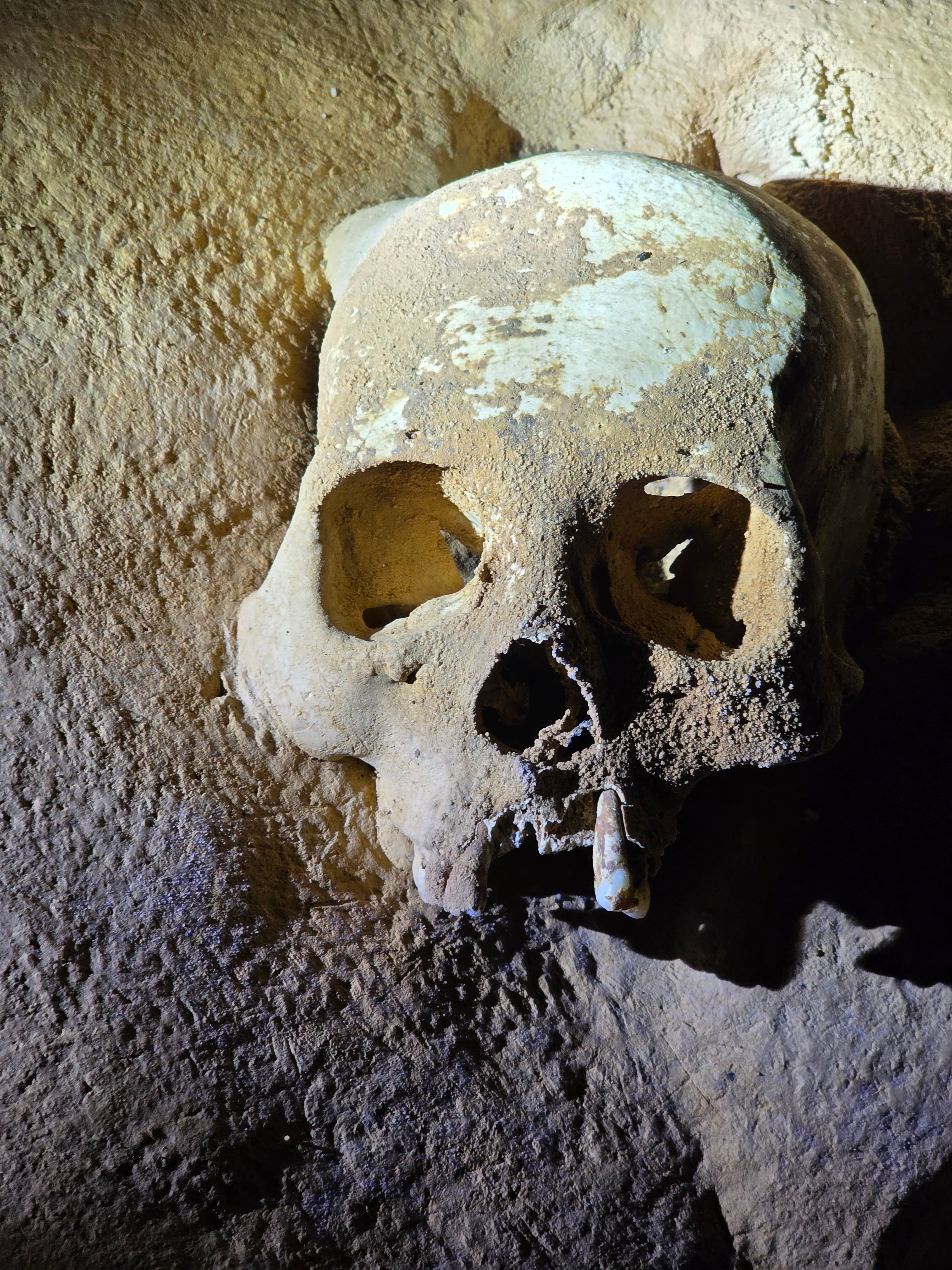
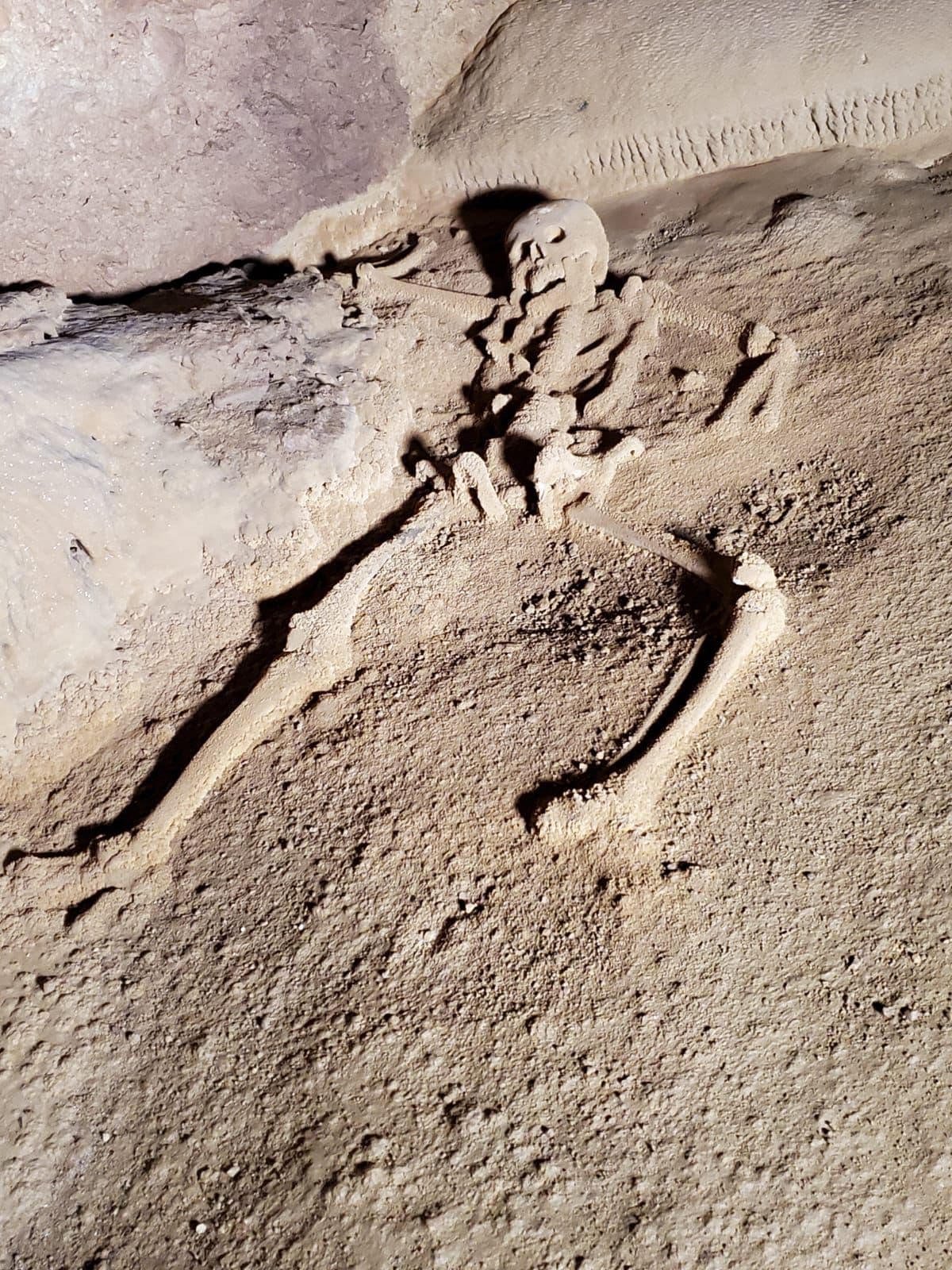
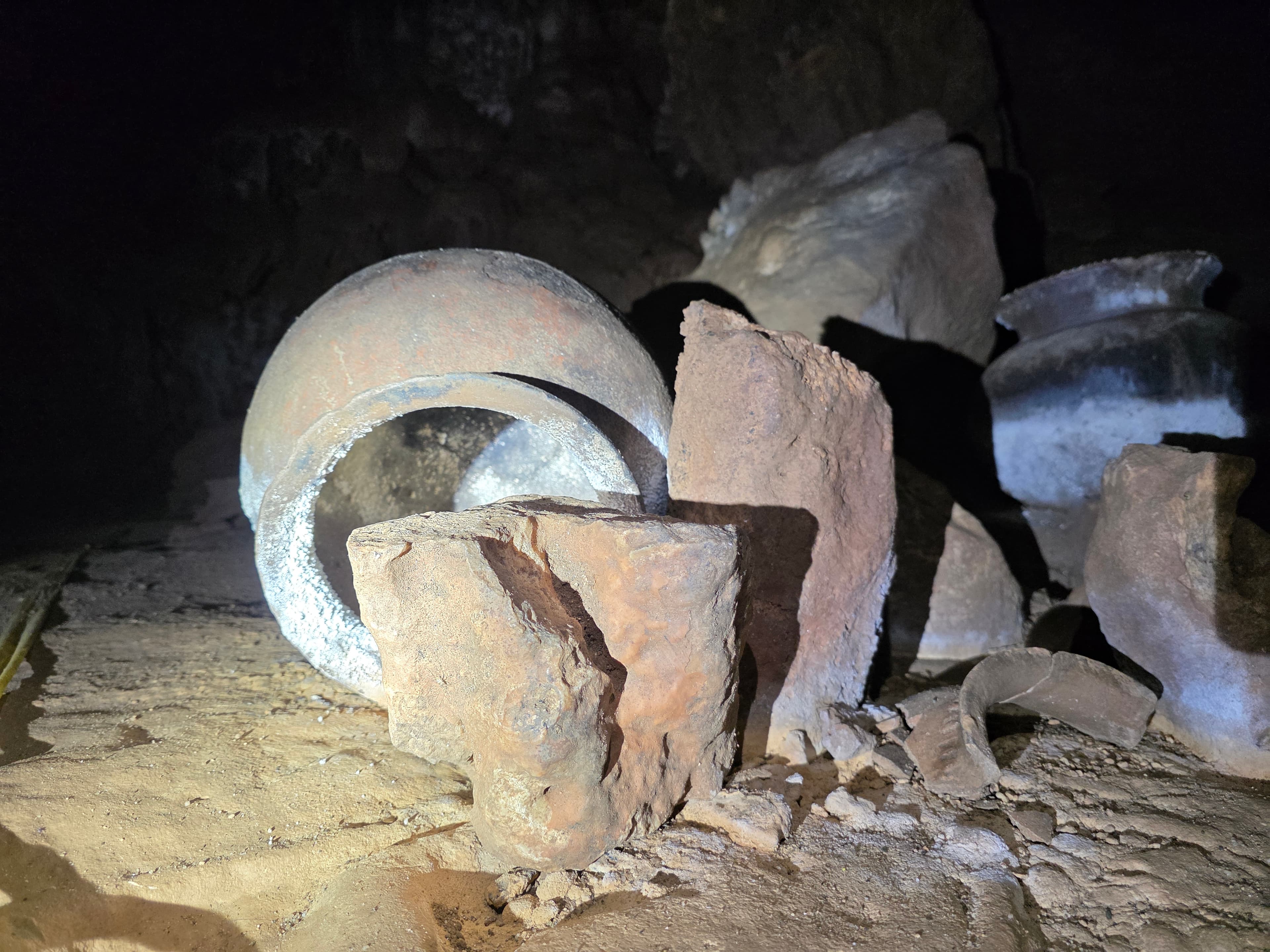
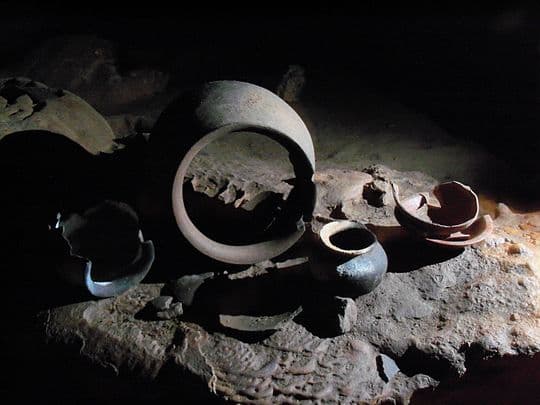
The ATM Cave is home to over 1,400 artifacts, ranging from ceramic pottery used for bloodletting rituals to the remains of human sacrifices. The most famous is the "Crystal Maiden," a young woman's skeleton that has become entirely calcified, sparkling like diamonds under headlamps.
Unlike museums where objects are behind glass, the artifacts in ATM are exactly where they were left over 1,000 years ago. This is why the site is so strictly protected. One careless step could destroy a millennium of history.
1,400+
Artifacts Cataloged
94%
In-Situ Accuracy
Official Safety & Conservation Rules
🚫 No Cameras (The 2012 Rule)
In 2012, a tourist dropped a camera on an ancient skull, causing permanent damage. Since then, the Belize Institute of Archaeology has banned all cameras, GoPros, and phones inside the cave. Your guide will enforce this strictly.
🎒 No Backpacks
Backpacks are not allowed inside the cave to prevent accidental bumping into narrow cave walls or fragile artifacts. You should leave all belongings in the secured tour vehicle.
💧 Physical Intensity
This tour is physically demanding. You must be able to hike for 90 minutes total and navigate through water and rocky terrain. If you have severe claustrophobia or limited mobility, please consult with us before booking.
Plan Your Xibalba Journey
Tours are capped at 8 people per licensed guide. During peak season (December - April), spots vanish months in advance. Secure your definitive Belize experience today.
Historical Context: The Terminal Classic Period
The offerings found within Actun Tunichil Muknal date primarily from the Terminal Classic period (700-900 AD). This was a tumultuous time in Mayan history characterized by severe droughts that swept across the Yucatan peninsula and what is now modern-day Belize. Archaeological evidence suggests that the Maya moved deeper into caves like ATM to perform rituals to appease the rain god, Chac. The pottery found in the upper chambers, often containing "kill holes" to release the spirit of the vessel, serves as a testament to the desperation and spiritual fervor of a civilization facing environmental collapse.
Geological Formations: Nature's Architecture
Beyond its human history, the ATM cave is a geological wonder. The karst limestone environment has created a labyrinth of stalactites, stalagmites, and flowstones that continue to grow to this day. Many of these formations have shimmered over time due to the high mineral content of the water, creating an ethereal atmosphere that mimics the starlit sky within the earth's belly. The "Upper Cathedral" is perhaps the most impressive room, where the ceiling rises to nearly 40 feet, and the walls are draped in shimmering "cave bacon" and massive pillars that have taken hundreds of thousands of years to form.
Conservation Efforts: Protecting the Jewel
Belize is a global leader in cave conservation. The strict ratio of 8 tourists to 1 guide is not just for safety; it is to ensure that limited carbon dioxide levels and physical impact do not disturb the micro-ecosystem of the cave. The specialized guides undergo rigorous training in archaeology, geology, and first aid. By taking this tour, you are contributing to the sustainable tourism economy of Belize and the continued preservation of World Heritage sites.
The Legend of the Crystal Maiden
While the entire cave system is populated with skeletal remains, the Crystal Maiden remains the most significant draw. Research indicates she was roughly 18-20 years old at the time of her sacrifice. Her position—lying flat on her back with her head turned to the side—suggests a ritualized placement rather than an accidental death. Over the centuries, the drip-water containing calcium carbonate has coated her bones in a crystalline layer, essentially turning her into a natural monument of the Mayan spiritual world.