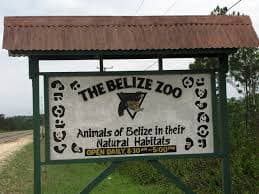
The Best
Little Zoo
A sanctuary for the rescued, the orphaned, and the extraordinary fauna of the Belizean wild.
The Legacy of Sharon Matola
The Belize Zoo began in 1983 as a last-ditch effort to provide a home for a collection of wild animals used in a documentary film. When the filmmaker left, Sharon Matola, the zoo's founder, found herself responsible for several jaguars, pumas, and exotic birds. Instead of releasing them (many were socialized to humans and wouldn't survive), she created a refuge. Today, the Belize Zoo is a world-renowned conservation hub, housing only native species and focusing entirely on education and environmental stewardship.
In this 2,000-word authoritative guide, we explore the unique philosophy of the "Best Little Zoo in the World," meet its most famous residents, and dive into the vital education programs that are saving Belize's biodiversity.
Meet the Residents
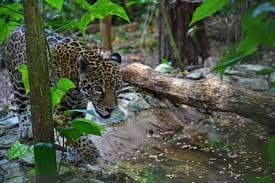
The Jaguar
The King of the Jungle
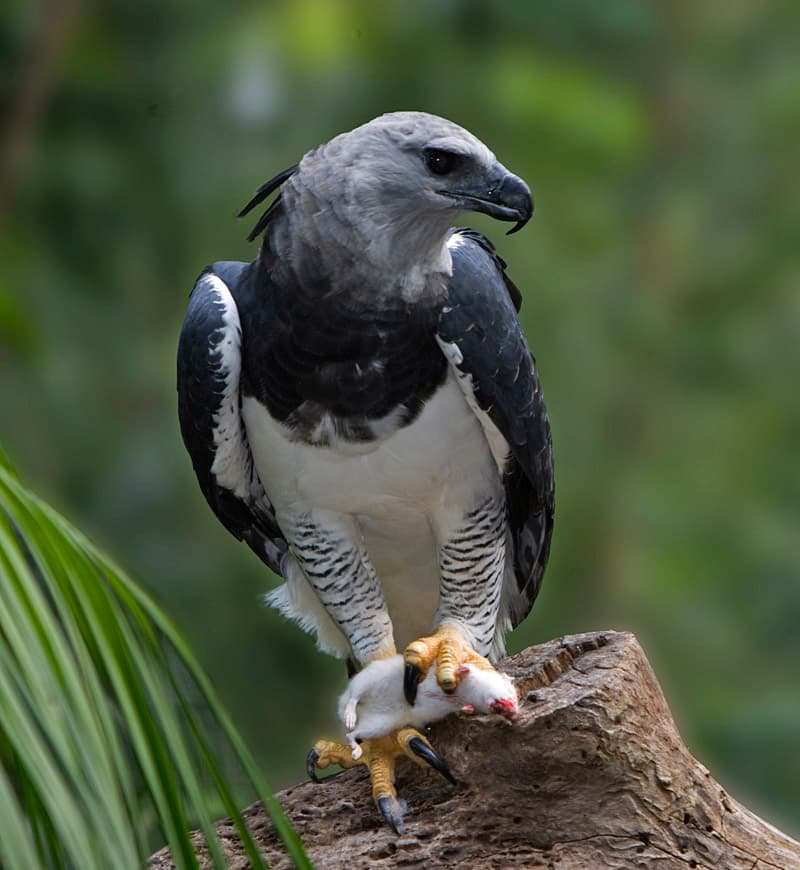
Harpy Eagle
The Apex Predator
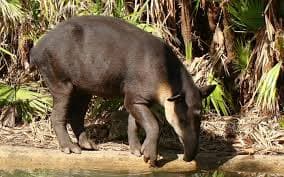
Mountain Cow
Baird's Tapir (National Animal)
The Night Adventure
The zoo doesn't sleep when the sun goes down.
Since many of Belize's predators are nocturnal, the "Night Tour" at the Belize Zoo is the definitive way to witness their natural behaviors. Guided by expert handlers, you'll see the jaguars climbing and the tapirs active in a way that is impossible during the heat of the day. The symphony of the jungle—the calls of the owls and the rustle of the coatimundis—provides a sensory experience that is truly haunting and beautiful.
Bookable Extra
Night Tours require 48-hour advance booking and a minimum of 2 persons.
Ethical Wildlife Logic: Only Natives Allowed
The Belize Zoo maintains a strict policy: it only houses animals that are native to Belize. You will not find lions, giraffes, or elephants here. This philosophy serves two purposes. First, it ensures that every animal is perfectly adapted to the local climate, minimizing the stress of captivity. Second, it serves as a powerful education tool for the local Belizean population. By focusing on "their" animals, the zoo fosters a sense of national pride and responsibility for the country's biodiversity. Almost all the animals are rescued from illegal trade, orphaned due to hunting, or donated by residents who realize they cannot provide a proper home for a wild "pet."
The Tropical Education Center (TEC)
Opposite the zoo lies the Tropical Education Center, a 50-acre facility with dorms, guest cabanas, and classrooms. This is the "brain" of the operation. Here, the zoo conducts vital research on jaguar tracking and tapir conservation. It serves as a base for school groups from all over Belize, many of whom have never seen a live jaguar or tapir despite living in a country where they are relatively common. By educating the next generation of Belizean leaders, the TEC is creating a culture of conservation that is far more effective than any fence or law.
Sharon Matola: The Woman Who Walked with Jaguars
Sharon Matola was a force of nature. An American biologist and former circus performer, she arrived in Belize and transformed the country's relationship with its wildlife. Before her influence, jaguars were often seen merely as pests to be hunted. Through her "Jaguar Rehabilitation Program" and her children's books, she humanized the animals and highlighted their ecological importance. Her passing in 2021 was a national loss, but her vision continues through the dedicated staff who maintain the zoo's high standards of care and education. The zoo remains as a living monument to her tenacity and love for the Belizean wild.
Rehabilitation & Release
While some residents are permanent due to physical injuries or socialization issues, the Belize Zoo actively participates in the rehabilitation and release of wildlife whenever possible. Their raptor center is particularly successful, treating injured birds of prey and releasing them back into the Mountain Pine Ridge or the Chiquibul. For those that cannot be released, they become "ambassadors," helping to raise funds and awareness for their wild cousins. Your entry fee and donations at the gift shop go directly into these medical and nutritional programs, making every visitor a part of the conservation effort.
Practical Information
Location & Timing
Located at Mile 29 on the George Price Highway. It is a perfect stop when traveling between Belize City and San Ignacio. Allow at least 2.5 hours to walk the entire zoo at a leisurely pace.
Accessible & Clean
The zoo is largely wheelchair accessible via well-maintained gravel and concrete paths. Sturdy walking shoes are recommended, as you are still in a tropical environment with plenty of shade.
Protect the
Wild.
Become an ambassador for the fauna of Belize. Every visit helps save a species.