Cahal
Pech
Exploring the oldest and most intimate palatial complex in the San Ignacio valley.
The Place of Ticks
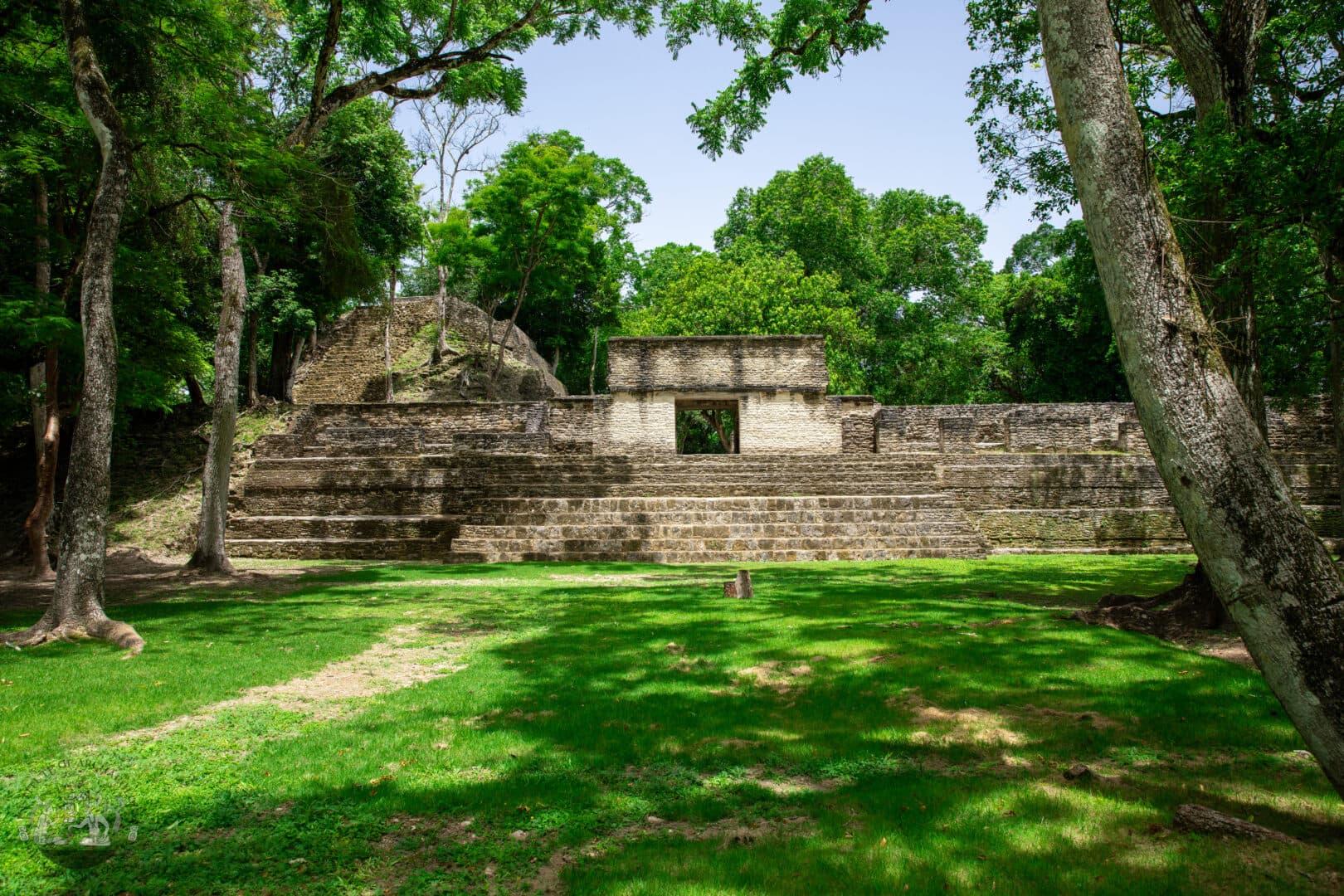
Cahal Pech (Place of Ticks) sits regally atop a hill overlooking the twin towns of San Ignacio and Santa Elena. While its name may sound uninviting—a remnant of the area's cattle-ranching past—the site is one of the most culturally significant in Belize. Established around 1200 BC, it is one of the oldest settled Mayan sites in the Belize River Valley, offering a unique window into the transition from small farming villages to a complex urban society.
In this 2,000-word expert visitor manual, we delve into the palatial architecture that defines Cahal Pech, its role as an elite family residence, and the archaeological treasures found within its onsite museum.
Architecture of the Elite
Unlike the massive ceremonial plazas of Caracol or Tikal, Cahal Pech feels intimate. The site consists of 34 structures, including seven plazas, two ball courts, and a series of interconnected temples and palaces. The architecture is characterized by its "labyrinthine" quality—narrow corridors and small chambers that were once the private living quarters of the Mayan nobility.
7 Plazas
Ritual Spaces
34+ Units
Mapped Buildings
The Portal of Knowledge
The onsite museum at Cahal Pech is widely considered one of the best in the country. It houses a curated collection of artifacts found during the site's excavation, including intricately carved stelae, jade jewelry, and an impressive collection of pottery. The centerpiece is a scale model of the site as it likely looked in 800 AD, providing a vital perspective before you walk among the ruins.
Top Artifacts to See:
- • Eccentric Flints: Masterfully chipped ceremonial tools.
- • Polychrome Vases: Depicting courtly scenes and mythic animals.
- • Shell Jewelry: Illustrating the trade links between the interior and the coast.
Preclassic Origins: The Foundation of Identity
Cahal Pech's significance lies in its longevity. While many Mayan cities rose and fell during the Classic period, Cahal Pech was inhabited as early as the Middle Preclassic (1200 BC - 300 BC). This early settlement phase provided archaeologists with critical data on the evolution of Mayan social hierarchy. The earliest structures found deep beneath the current plazas were simple wattle-and-daub houses. As the centuries passed, these were replaced by the monumental limestone blocks we see today. This gradual refinement of architectural style represents the Maya's growing mastery over their environment and the solidification of their religious and political ideologies.
Domestic Palatial Life
Walking through Plaza B at Cahal Pech, one can almost hear the echoes of royal life. Unlike the "pyramids" meant for public rituals, the buildings here were residences. These palaces featured built-in stone benches used for sleeping or as "thrones" for receiving visitors. The rooms were surprisingly cool, designed with thick limestone walls that provided natural insulation from the tropical heat. Ventilation was achieved through small sky-lights and high ceilings. The proximity of the royal family's residential quarters to the ceremonial temples highlights the Maya concept of "Divine Kingship," where the ruling elite lived in constant proximity to the gods they were sworn to propitiate.
Urban Connectivity & The River Valley
Cahal Pech was not an island. It was part of a vibrant urban landscape that included the nearby site of Xunantunich and several smaller farming hamlets. The Belize River served as the highway connecting these centers. Goods from the Caribbean (salt, salted fish, shells) were moved inland, while jade, obsidian, and quetzal feathers from the highlands were moved to the coastal centers. Cahal Pech, situated on its high vantage point, likely served as a regional administrative center, overseeing the agricultural production of the valley below and managing the trade routes that fueled the local economy.
The Fall and the Forest
The abandonment of Cahal Pech around 900 AD mirrors the broader "Classic Maya Collapse." The reasons were likely a combination of environmental degradation, prolonged drought, and internal social unrest. For nearly a millennium, the jungle reclaimed the site. Massive Cohune palms and Ceiba trees rooted themselves in the temples, their roots acting as both a destructive force and a stabilizer for the masonry. It wasn't until the late 1960s that the site was officially recognized and mapped, eventually leading to the comprehensive restoration we see today. Visiting Cahal Pech is a lesson in the resilience of nature and the ephemeral quality of human empires.
Visiting Information
Distance & Effort
Located within San Ignacio Town. It is a steep, 20-minute walk from the town center or a quick 5-minute taxi ride. The site is compact and requires moderate physical effort compared to Caracol or ATM.
Key Tip
Visit in the late afternoon. The lighting through the trees in Plaza B is spectacular for photography, and the site is often nearly empty after the morning tour groups depart.
Walk the
Royal Halls.
Experience the intimacy of ancient Maya life on the hilltop of Cahal Pech. Plan your local guide today.