Cave
Tubing
A journey through time and limestone on the gentle currents of the Caves Branch River.
The Jewel of Adventure
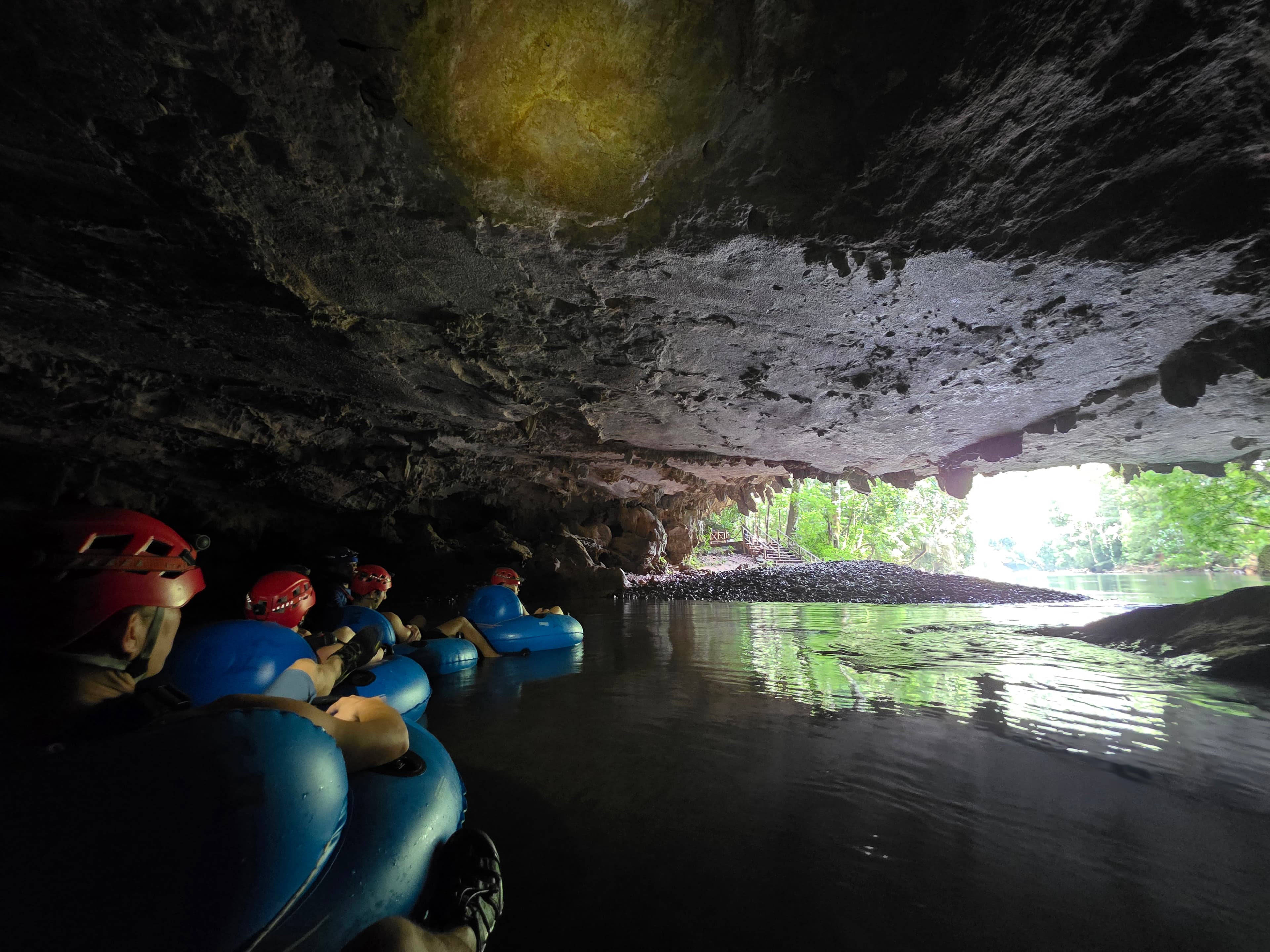
If there is one activity that defines the Belizean traveler experience, it is cave tubing. Born from the unique convergence of ancient Mayan history and dramatic geological formations, cave tubing allows visitors to explore the subterranean world from the comfort of a heavy-duty inflatable tube. It is a harmonious blend of relaxation, education, and light adventure.
This 2,000-word expert manual provides everything you need to know before your expedition. From the archaeological significance of the Caves Branch system to the practicalities of footwear and lighting, we leave no stone unturned in preparing you for Xibalba.
Nohoch Che'en Archaeological Reserve
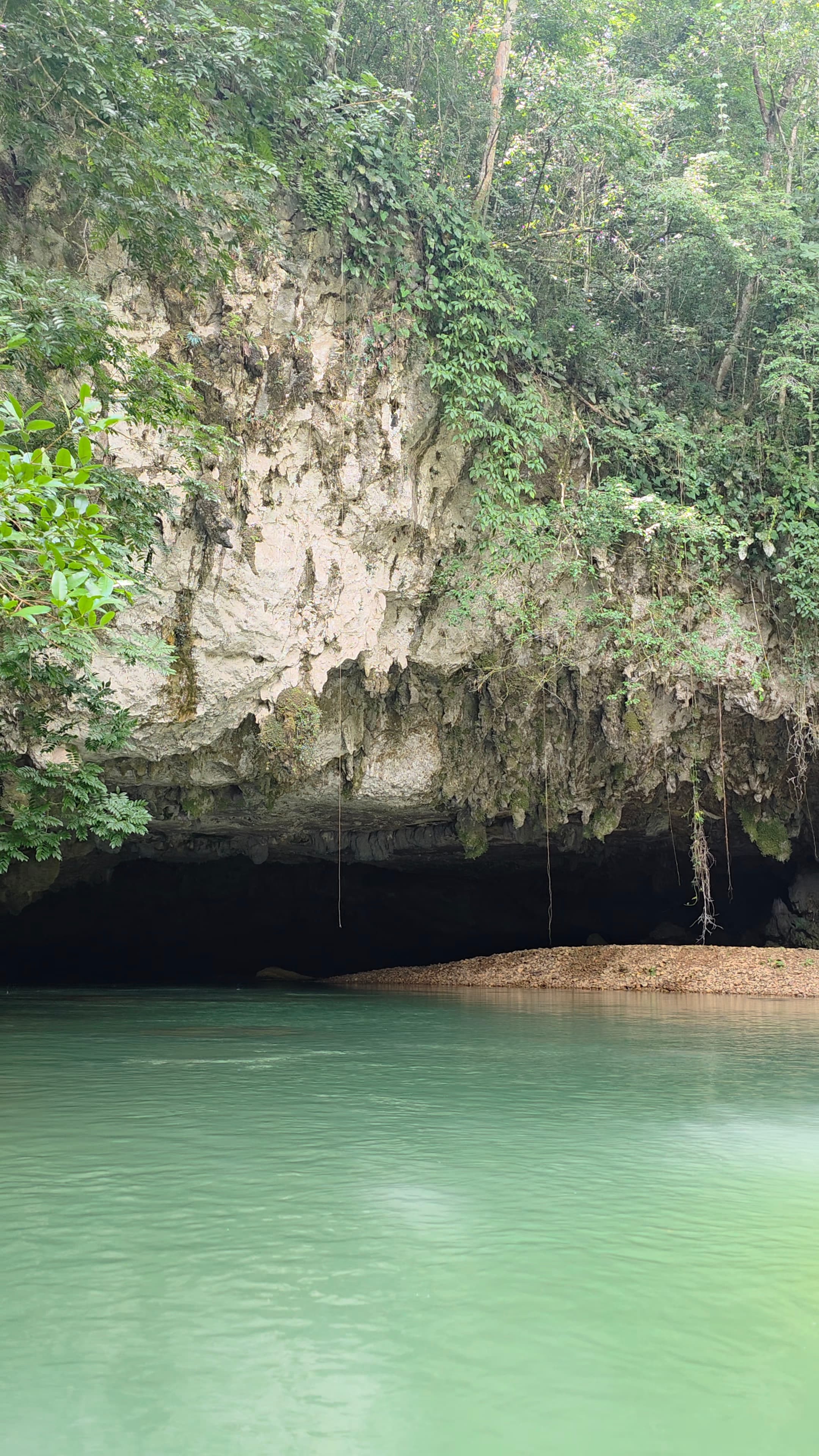
The vast majority of cave tubing tours in Belize take place within the Nohoch Che'en Archaeological Reserve. This protected area encompasses a massive cave system through which the Caves Branch River flows.
The adventure begins with a 30-45 minute hike through a secondary rainforest on relatively flat, well-maintained jungle paths. Along the way, your guides will point out native medicinal plants, tropical hardwoods, and if you're lucky, regional birds like the Keel-Billed Toucan.
- 3 Unique Cavern Entrances
- 1.5 Miles of River Float
- Open 365 Days (Weather Permitting)
Official Safety Protocols
Helmet & Lighting
Safety helmets with high-lumen waterproof headlamps are non-negotiable. The cave is pitch black; visibility is your primary safety tool.
Life Jackets
All participants must wear a PFD (Personal Flotation Device) at all times while in or near the river water, regardless of swimming ability.
Guide Ratios
Belize law mandates a maximum ratio of 8 guests to 1 licensed guide to ensure personalized attention and safety.
A Portal to Xibalba
For archaeologists, the Caves Branch river system is more than an adventure park—it is a massive open-air museum. The ancient Maya utilized these caves for hundreds of years, primarily for sacrificial rituals and bloodletting ceremonies.
As you float through the dark chambers, look up at the high ledges. Many feature ceramic pottery shards and incense burners that have remained untouched for a millennium. The river itself was seen as a living entity, the blood of the earth that connected the mortal realm to the underworld.
Speleogenesis: How These Caves Were Formed
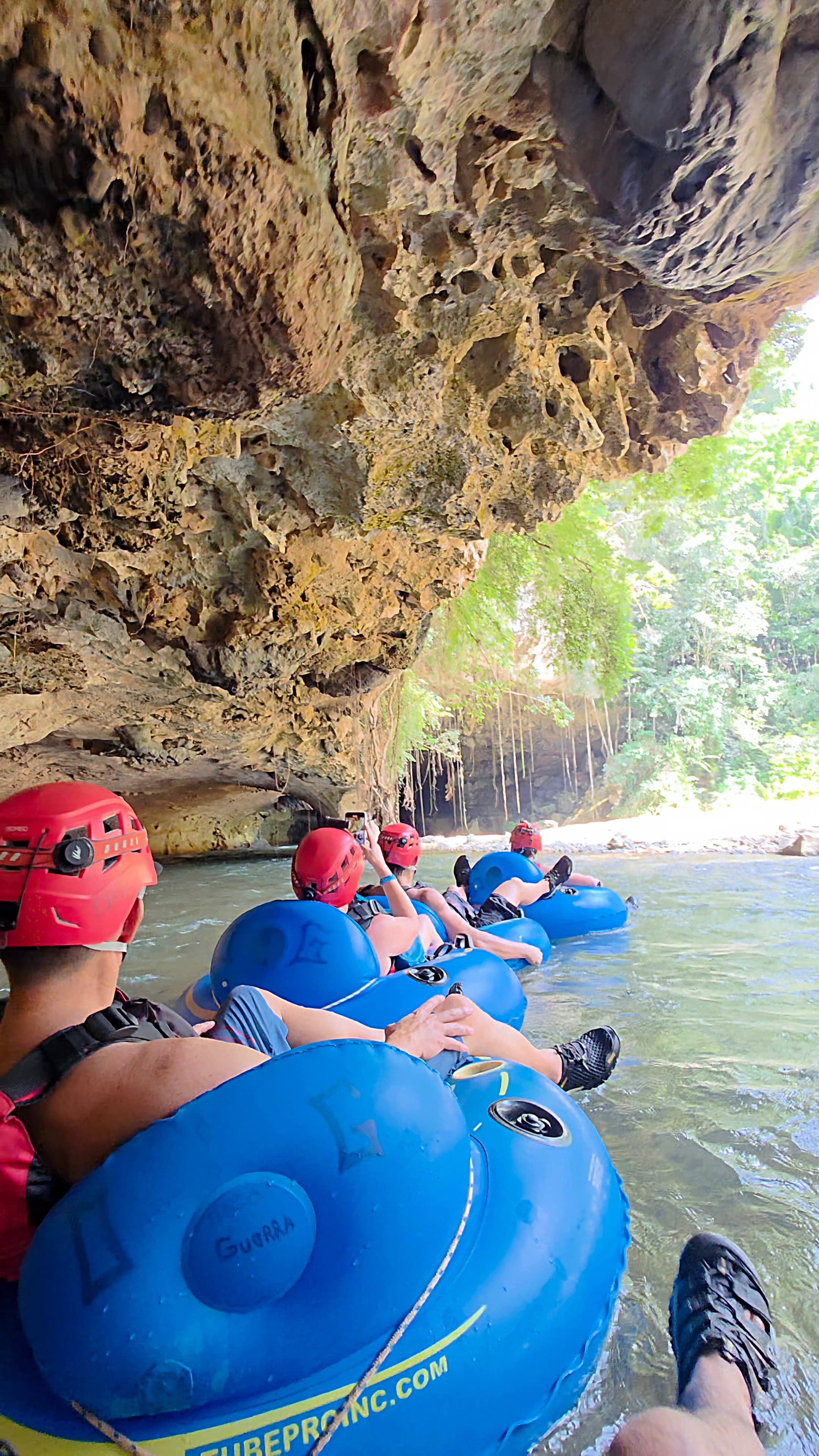
The geological history of the Caves Branch river system is a multi-million-year epic. It began during the Cretaceous period, as massive layers of limestone were deposited at the bottom of a shallow sea. Over time, tectonic activity pushed this limestone above sea level. Then, nature's most patient sculptor—water—took over.
The Caves Branch River, fueled by acidic rain runoff from the nearby Maya Mountains, slowly began to dissolve the soft limestone bedrock. This process, known as speleogenesis, carved out a series of vertical conduits and horizontal tunnels. As the river bed dropped over thousands of years, the upper tunnels were abandoned, leaving behind the massive rooms we see today. The sparkling crystal formations (speleothems) you see—the stalactites, stalagmites, and crystal columns—are the result of mineral-rich water dripping from the ceiling, depositing microscopic layers of calcite one at a time.
Flora & Fauna: Life in the Shadows
While you might think of a cave as a void of life, the Caves Branch system is a vibrant ecosystem. Near the "mouths" or entrances of the cave, you'll find specialized ferns and mosses that thrive in the cool, damp environment. Deeper in, the ecosystem shifts to animals that have adapted to total darkness.
Fruit bats are the most common inhabitants, serving a critical role in the surrounding jungle by dispersing seeds. You may also encounter the "Tailless Whip Scorpion"—a terrifying-looking but harmless arachnid—and various species of cave crickets. These creatures are the base of a food chain that relies entirely on organic matter that the river carries into the system during the rainy season.
The Modern Evolution of Cave Tubing
Cave tubing as we know it today was pioneered in the late 1980s. Originally, local guides used literal inner tubes from tractor tires to transport equipment through the river. They soon realized that the experience of floating through the subterranean landscape was something that travelers from around the world would find deeply moving. Today, the activity is highly regulated by the Belize Tourism Board (BTB), ensuring that the ecological footprint of visitors is minimized while the safety and educational value of the tour are maximized.
Plan Your Adventure
Don't settle for a generic cruise excursion. Book a private, expert-led tour that dives deep into the history and geology of Belize.
Best months to visit: Jan — May for crystal clear water