Taste
Belize
A journey through the melting pot of flavors, spices, and traditions that define the Belizean palate.
The Holy Trinity: Rice, Beans, and Fry Jacks
In Belize, food is more than sustenance; it is a historical record of migration, resilience, and cultural fusion. The ubiquitous "Rice and Beans"—cooked together in a rich slurry of coconut milk and spices—is the undisputed king of the Belizean dinner table. Not to be confused with "Beans and Rice," which are served side-by-side, the combined version is a culinary feat that relies on the subtle smoke of Recados and the sweetness of the coconut.
This 2,000-word deep dive explores the nuances of Belizean cooking, highlighting the distinct influences of the Garifuna, Maya, Mestizo, and Creole people.
Hudut & Ereba
The Soul of the Coast
The Heritage of the Coconut
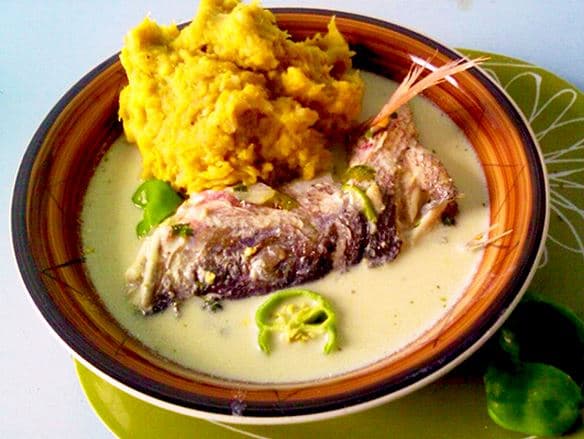
The Garifuna people, descendants of Arawak and African populations, brought a unique culinary vocabulary to Belize. Their most famous dish, Hudut, is a savory fish stew simmered in a rich coconut broth (sere) and served with "mashed green and ripe plantains." The preparation is a rhythmic ceremony involving heavy wooden mortars and pestles.
Must Try: Cassava Bread (Ereba)
A thin, cracker-like bread made from grated cassava. It is labor-intensive to produce and remains a cornerstone of Garifuna ritual and everyday life.
Chocolate: The Food of Gods
Belize's cacao industry is built on the heritage of the ancient Maya, who considered chocolate a divine gift. In the Toledo District and right here in Cayo, traditional Maya farmers still cultivate organic cacao using techniques passed down through generations. To taste "real" chocolate in Belize is to experience the raw, fruity, and complex profiles of a plant that was once used as currency.
Raw Pods
The Source
Sun Dried
The Cure
Stone Ground
The Paste
Cultural Syncretism: The Mestizo Influence
The culinary landscape of Northern and Western Belize is heavily influenced by the Mestizo (Maya and Spanish fusion) population. This gave rise to the beloved "Escabeche" (onion soup with lime and chicken) and "Chirmole" (a black soup flavored with charred chilies, locally known as Black Dinna). These dishes represent the adaptation of Spanish flavor profiles to tropical ingredients. The use of the stone-baked tortilla is a direct link to the Mayan milpa system, where corn is not just a crop, but a sacred element of identity. Mastering the art of the handmade corn tortilla is still a prized skill in Belizean villages.
The Creole Soul: Comfort and Spice
The Creole people of Belize, largely descendants of African and European ancestors, developed a soulful, robust cuisine. This includes the "Boil Up"—a massive platter of boiled starches (cassava, sweet potato, plantain), fish, pigtail, and doughy balls called dumplings, all smothered in a rich tomato and onion sauce. It is the ultimate comfort food. The Creole influence also brings us the distinctive "stew chicken" (browned in caramelized sugar) and the use of habanero pepper—not just for heat, but for its floral aroma. No Belizean table is complete without a jar of Marie Sharp's habanero sauce or a bowl of "onion sauce" (onions and habanero in lime juice).
Caribbean Seafood Economics
As a coastal nation, Belize's seafood is dictated by two major seasons: Lobster and Conch. Lobster season (July to February) is a celebration manifested in lobster festivals across the Cayes. The management of these fisheries is a success story for Belize, with strict size and weight requirements ensuring the species' longevity. Whether grilled on a beach in Caye Caulker or served in a high-end restaurant in San Pedro, the Caribbean Spiny Lobster is at the pinnacle of the Belizean seafood pyramid. Queen Conch, traditionally used in ceviche and fritters, offers a sweet, delicate flavor that defines the coastal lunch experience.
Liquid Gold & Local Spirits
Belikin Beer
The "Beer of Belize." Brewed in Ladyville, Belikin is more than a beverage; it's a national icon. Whether it's the classic Lager, the Stout, or the seasonal Sorrel Ale, it is the perfect accompaniment to any Belizean meal.
One Barrel Rum
This local gold rum is aged for one year and is known for its distinct hint of molasses and vanilla. It is the core of the ubiquitous "Panty Ripper" (Coconut Rum and Pineapple Juice) found at every beach bar.
Ready for a
Feast?
From street food to fine dining, explore the culinary heart of Belize with our guided food tours and local recommendations.