Safety
First
A deep-dive into the realities of travel safety in Belize, from nature's hazards to urban awareness.
The Reality of Belizean Safety
Belize is one of the most welcoming countries in the Caribbean. However, like any destination, it requires a nuanced understanding of its environment and social dynamics. For most travelers, the greatest risks are not derived from crime, but from the raw power of nature—dehydration, sun exposure, and the rugged terrain of the jungle.
In this 2,000-word authoritative guide, we provide a holistic view of safety. We address the concerns of solo female travelers, the logistical safety of local transport, and how to coexist with the wildlife that makes Belize a biodiversity hotspot.
Nature's Hazards:
Jungle & Sea
Water Safety & Rip Currents
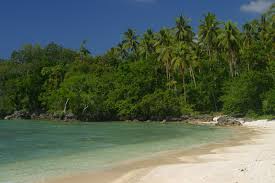
The reef is beautiful but demands respect. Always swim with a partner, be aware of tides, and never touch the coral or marine life (which can lead to stings or infections).
Wildlife Precautions
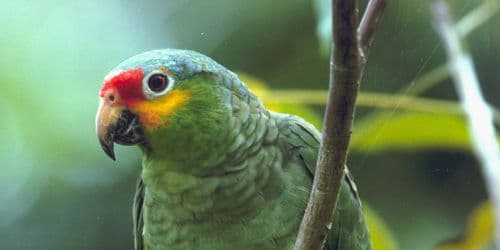
While rare, venomous snakes like the Fer-de-Lance exist. The best safety is visibility: stay on established trails, use a headlamp at night, and always wear closed-toe shoes in the jungle.
Heat & Hydration
Tropical heat is relentless. Drink twice as much water as you think you need, and supplement with electrolytes. Sub-tropical heat exhaustion is the #1 cause of medical intervention for tourists.
Solo Travel & Social Safety
Solo travel in Belize is widely practiced and generally safe. However, women traveling solo may experience "catcalling" or unwanted attention in busier urban areas. The best response is usually a firm, polite dismissal or simply ignoring it.
In social settings, follow the "unattended drink" rule as you would anywhere in the world. Stick to well-lit main streets at night in places like San Pedro or Caye Caulker.
Solo Pro-Tips:
- • Shared shuttle transfers are safer and more social than private taxis.
- • Check in with your hotel staff; they are your best local resource.
- • Download offline maps (Google Maps) for areas with poor cell service.
Urban Awareness: Navigating Belize City
Belize City is the commercial hub of the country, but it requires a higher level of awareness than the resort towns. Most tourists pass through the city via the International Airport or the Water Taxi terminals. If you are staying in the city or exploring, stick to the "Kings Park" or "Fort George" neighborhoods during the day. Avoid the South Side of the city, which is where the majority of urban crime occurs. Like any major city, keep your valuables out of sight and take a licensed taxi (look for the green license plates) after dark. The vast majority of crime in Belize City is localized and not directed at tourists, but situational awareness is key.
The "Tourist Police Unit" (TPU)
One of Belize's most effective safety measures is the specialized Tourist Police Unit. These officers are stationed in major tourism hubs and at archaeological sites. They are specifically trained in hospitality and crisis management. If you ever feel uncomfortable or need assistance, look for the TPU officers; they are easily identifiable and are there specifically to ensure the well-being of visitors. Their presence at remote sites like Caracol or the ATM cave provides a quiet but significant layer of security that many other regional destinations lack.
Medical Infrastructure & Evacuation
Belize has a mix of public and private medical facilities. For minor issues, local "poly-clinics" in San Pedro or San Ignacio are excellent. For serious emergencies, Belize City has the country's most advanced hospitals (like Belize Medical Associates). We HIGHLY recommend that every traveler has travel insurance that includes emergency medical evacuation. Given the remote nature of the jungle resorts and the cayes, a medical helicopter ride can cost upwards of $20,000 USD without insurance. This is the single most important safety investment you can make for your trip.
Digital Safety: Staying Connected
In the modern age, safety is linked to connectivity. We recommend purchasing a local SIM card (DigiCell or BTL) upon arrival at BZE. While Wi-Fi is common in hotels, having cellular data in the middle of a jungle road can be a lifesaver in the event of a vehicle breakdown or logistical mishap. Furthermore, keep digital scans of your passport and travel documents on a secure cloud server. If your physical documents are lost or stolen, having these copies will significantly expedite the replacement process at your national embassy.
Travel with
Peace of Mind
Our guides are all licensed, background-checked, and trained in first aid. Your safety is our absolute priority.