Cayo's Ancient
Empire
A deep-dive into the Mayan ruins surrounding San Ignacio, the cultural heart of Belize.
Why San Ignacio?
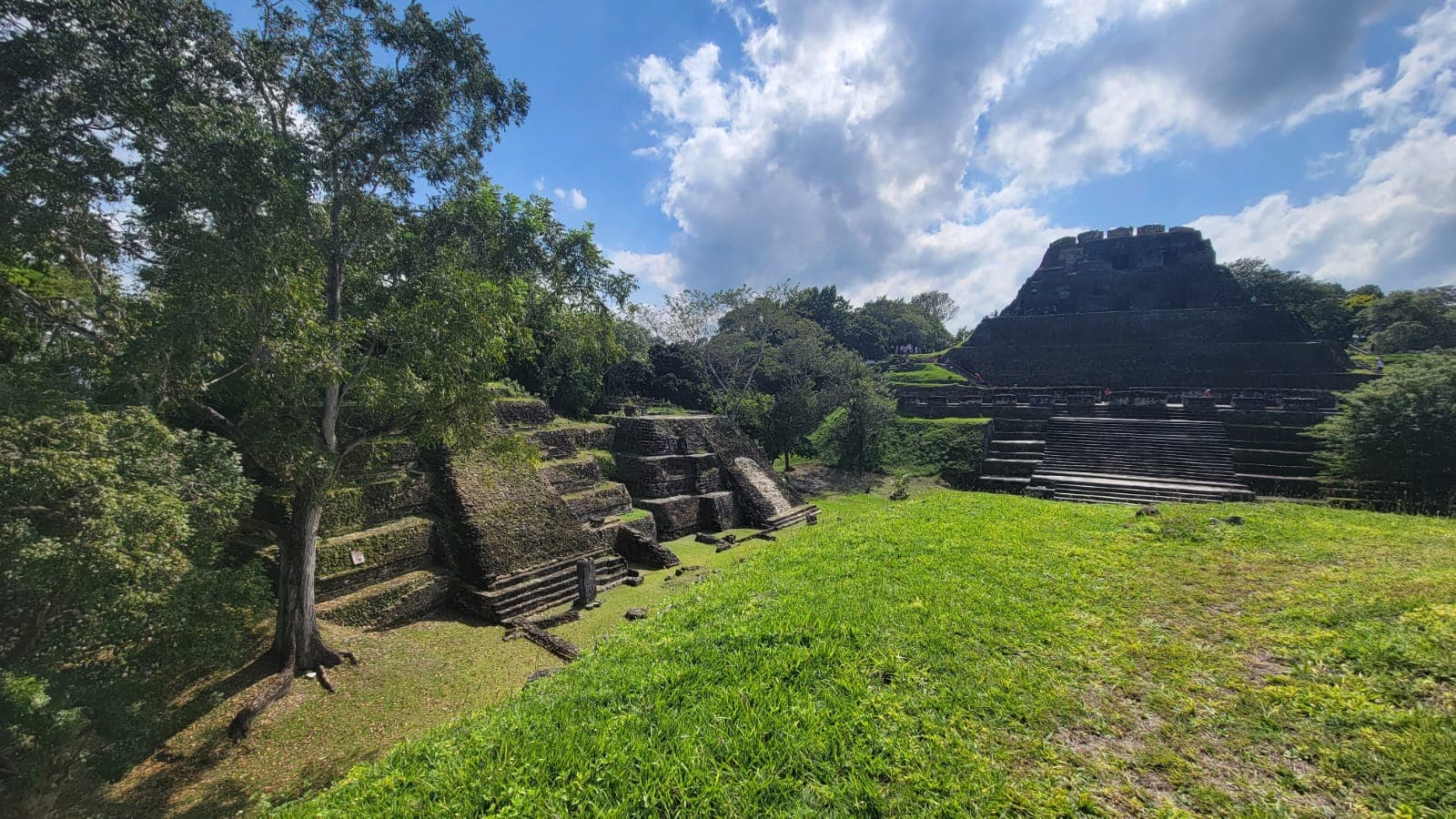
San Ignacio Town, the bustling capital of the Cayo District, is widely considered the "Green Interior" of Belize. While many travelers flock to the islands for the reef, those in the know head west to bask in the shadows of giants. This region was once the political and cultural epicentre of the Mayan Classic period, leaving behind a landscape dotted with towering temples, royal palaces, and sacred ball courts.
In this 2,000-word exploration, we highlight the three most significant archaeological reserves reachable from San Ignacio: the soaring Xunantunich, the royal hilltop of Cahal Pech, and the massive rainforest city-state of Caracol. Understanding these sites is key to understanding the legacy of the Maya in Central America.
Xunantunich
Pronounced "shoo-NAN-too-nitch," this site is arguably Belize's most iconic. The journey alone is an adventure, involving a hand-cranked ferry ride across the Mopan River. Once you reach the summit, you are greeted by "El Castillo," a 130-foot temple adorned with intricate stucco friezes that depict Mayan celestial glyphs and gods.
Full Xunantunich Detail →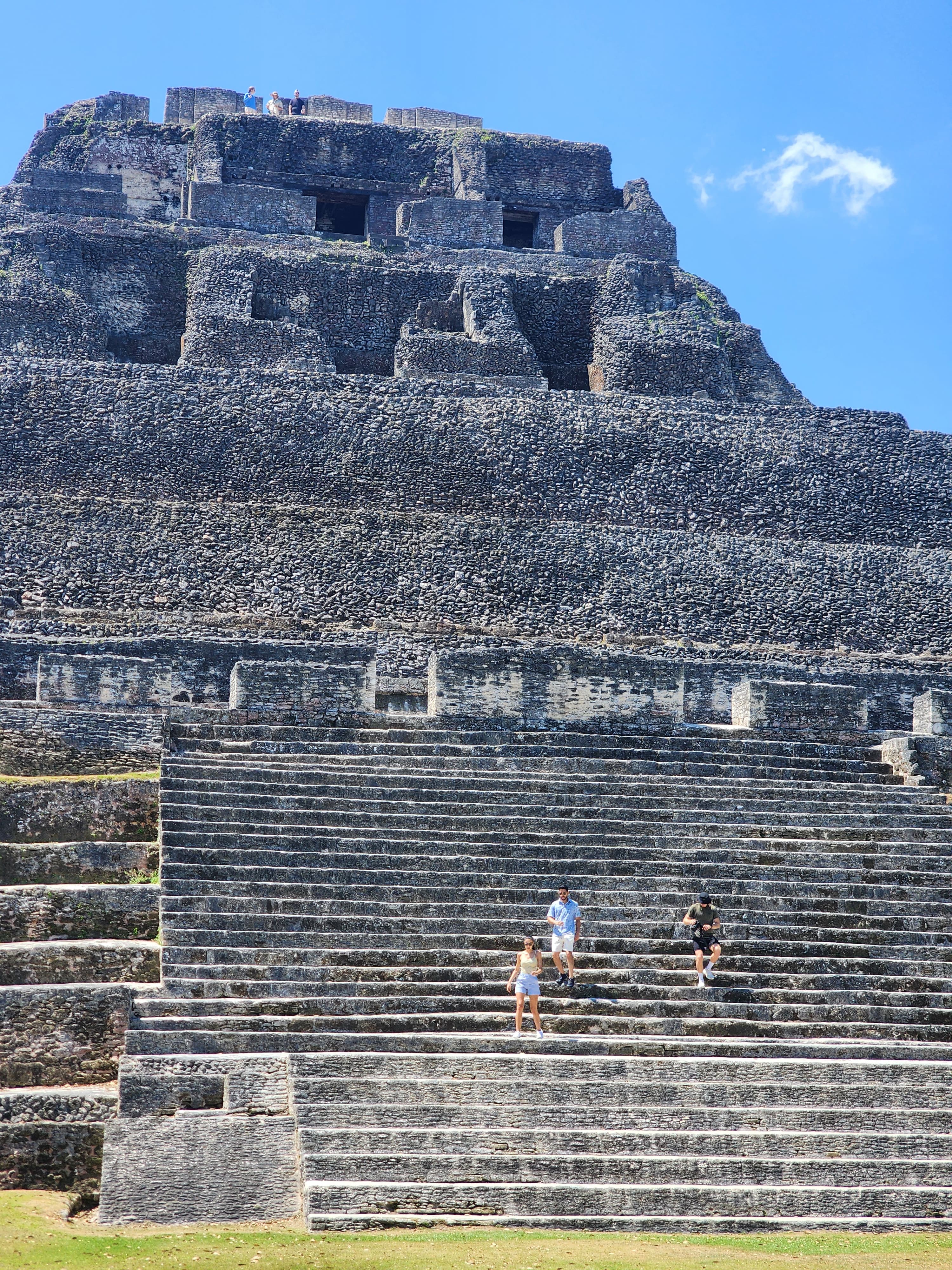
Cahal Pech
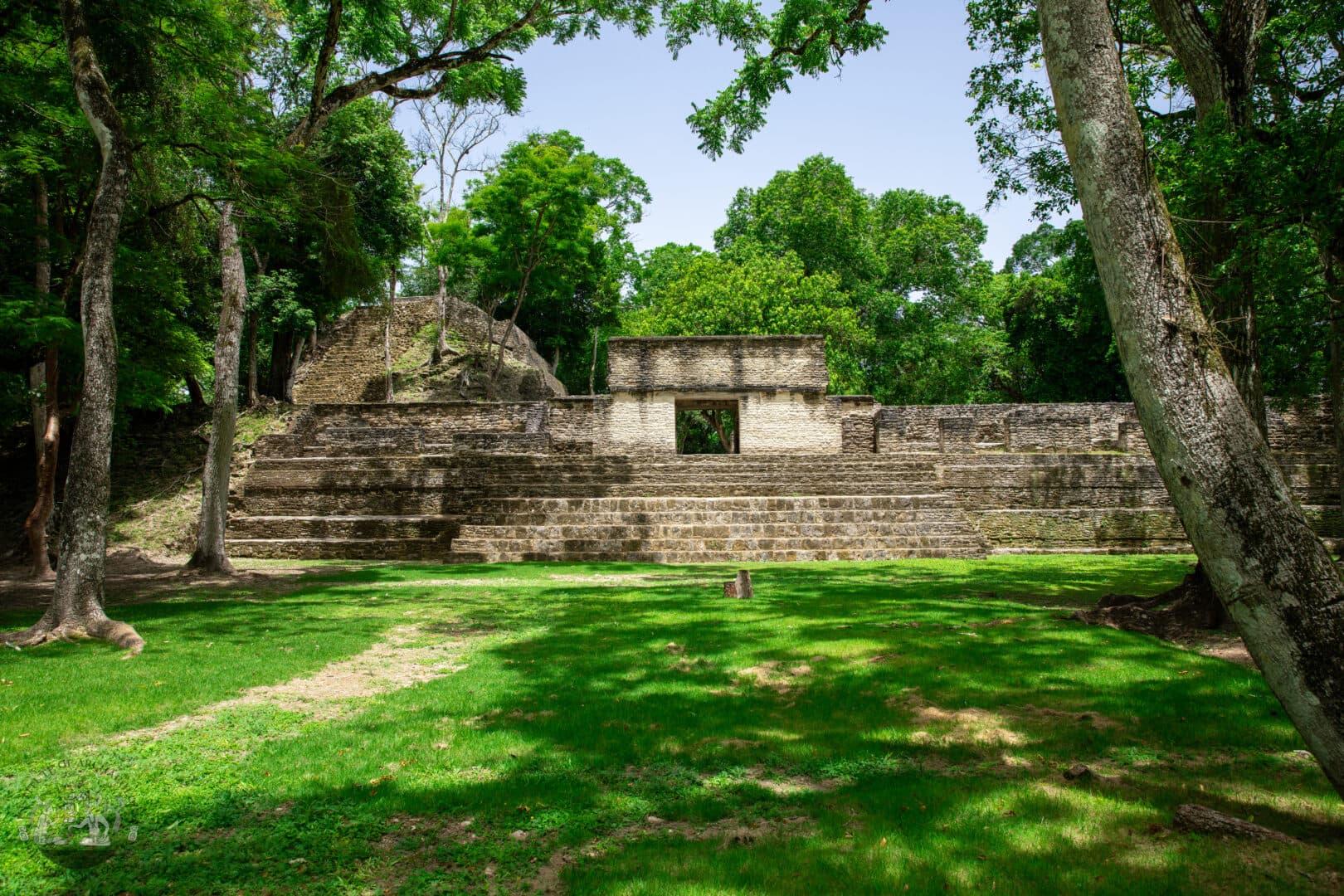
While its name isn't the most glamorous, Cahal Pech is an architect's dream. Located within walking distance of downtown San Ignacio, this hilltop site was the palatial home of a wealthy Mayan family. Unlike the open plazas of other sites, Cahal Pech feels intimate, with narrow corridors, cozy courtyards, and some of the best-preserved corbelled arches in the country.
7 Plazas
Archaeological Area
30+ Structures
Identified Buildings
Caracol: The Sky Palace
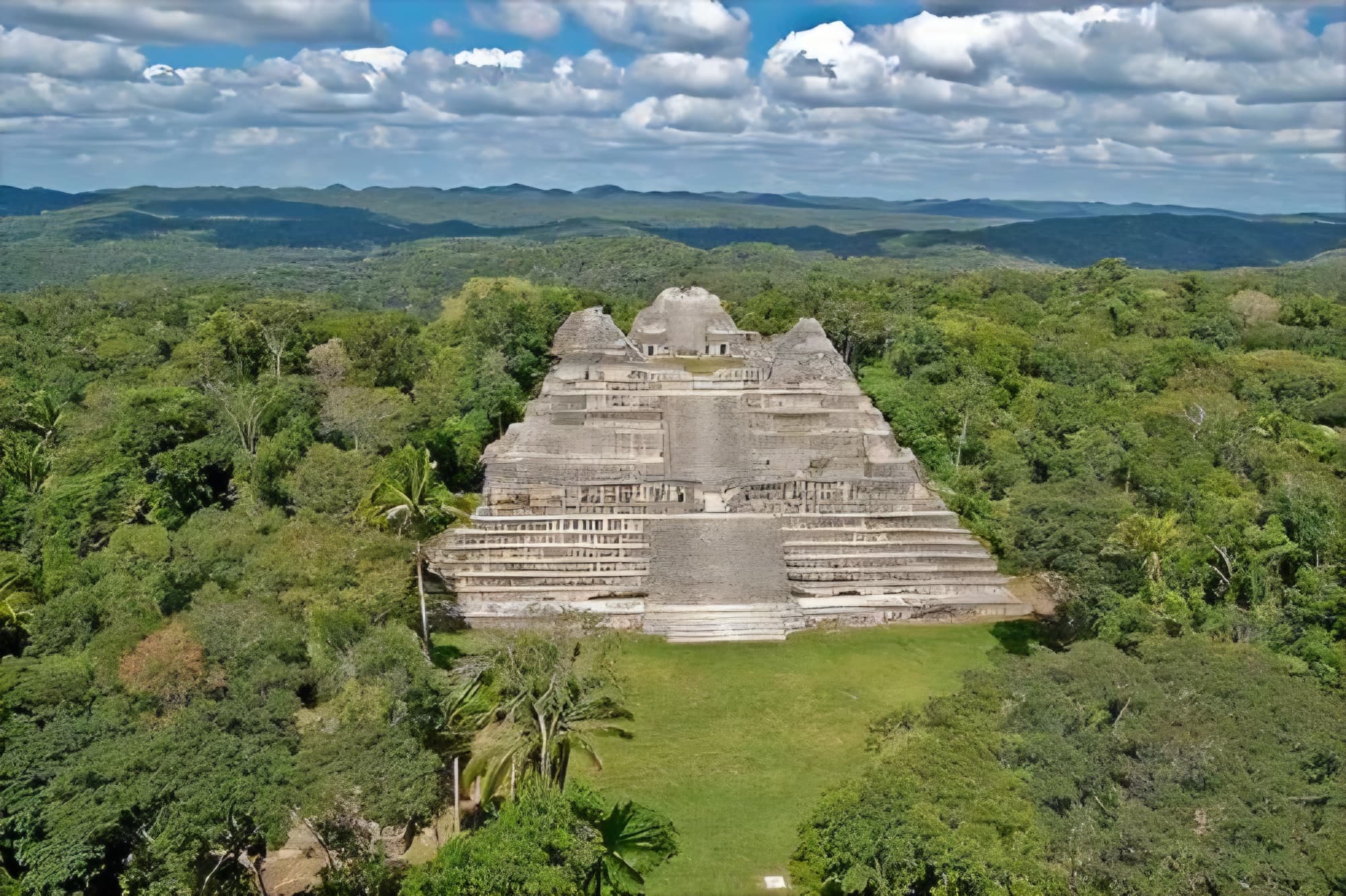
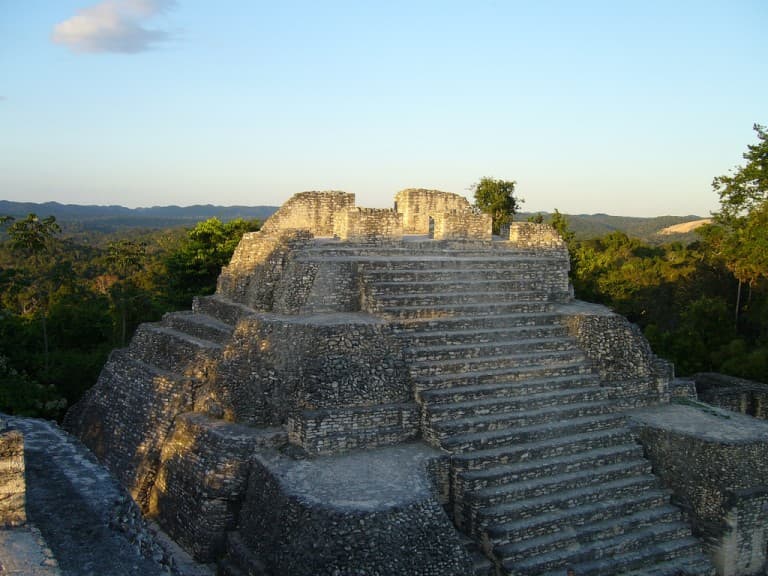
Caracol is the "Big Daddy" of Belizean ruins. Situated deep within the Chiquibul Forest Reserve, this city was once a superpower that famously defeated the mighty Tikal in Guatemala. The main temple, "Caana" (Sky Palace), remains the tallest man-made structure in Belize to this day. Visiting Caracol is a full-day commitment, but the reward is a sense of scale and isolation that few other sites in the world can offer.
Planning Your Adventure
Getting Around
Most sites are reachable via taxi or local tour operator. For Caracol, we highly recommend a 4x4 vehicle and a guide, as the mountain roads can be unpredictable and the jungle is vast.
Best Time to Visit
Early morning (8:00 AM) is best to beat the heat and the cruise ship crowds. Plus, you'll hear the incredible sounds of Howler Monkeys waking up the jungle.
The Social Hierarchy of a Mayan City
To truly appreciate the ruins in San Ignacio, one must understand the social stratification that defined these cities. Mayan society was highly complex, led by a semi-divine king (K'uhul Ajaw) who served as the bridge between the supernatural world and the earthly realm. Sites like Cahal Pech offer unique insights into the lives of the nobility. The proximity of the elite's residences to the religious temples suggests that the ruling class used spiritual proximity to maintain their political power. The architecture itself—with its distinct "front" and "back" spaces—shows how access to knowledge and ritual was strictly controlled.
Deciphering the Glyphs: More Than Just Pictures
When you climb El Castillo at Xunantunich, pay close attention to the friezes. Mayan hieroglyphics are not merely pictographs; they are a sophisticated phonetic and logographic writing system. These friezes are historical documents. They record coronation dates, genealogical lineages, and descriptions of celestial events. The frieze on the eastern side of Xunantunich represents the king's transition into the underworld as a celestial being—a narrative that transformed a pile of stones into a divine storyboard for the populace to witness.
The Role of the Ball Game
Every major site in Cayo features at least one "Ball Court." The Mayan ball game (Pitz) was far more than a sport; it was a ritual re-enactment of the creation of the cosmos. Players would use their hips to propel a hard rubber ball through stone hoops. At sites like Caracol, the ball courts were central to the civic-ceremonial core, highlighting its importance in maintaining the social fabric. It is believed that the outcome of these games could influence political treaties or even serve as a proxy for warfare between rival city-states.
Conservation and Contemporary Maya
Finally, it is essential to remember that while these sites are "ruins," the Mayan people are a living, breathing culture. Over 10% of Belize's population is of Mayan descent, and many continue to hold traditional beliefs and practices. The Belize Institute of Archaeology works tirelessly to preserve these sites, balancing the influx of tourism with the need for structural stabilization. As a visitor, your fees go directly toward the maintenance of these world wonders, ensuring that future generations can walk the same limestone plazas that have stood for two millennia.
Ready to touch History?
Book your journey to the ancient Maya heartland with our expert local guides.