The
Gratuity
Understanding the cultural and economic importance of tipping in the Jewel of the Caribbean.
More Than Just a Percent
Tipping in Belize is widely appreciated and, in many sectors of the tourism industry, expected. However, it is fundamentally different from the rigid, often mandatory tipping culture of North America. In Belize, a tip is a direct recognition of expert skill—the guide who spots the camouflaged crocodile, the captain who navigates a rough reef break, or the server who explains the complex history of your dinner.
In this 2,000-word authoritative guide, we break down the vocational standards for tipping, the currency calculations involved, and the deep economic impact your gratuity has on local communities.
Tipping by Vocation
Adventure Guides
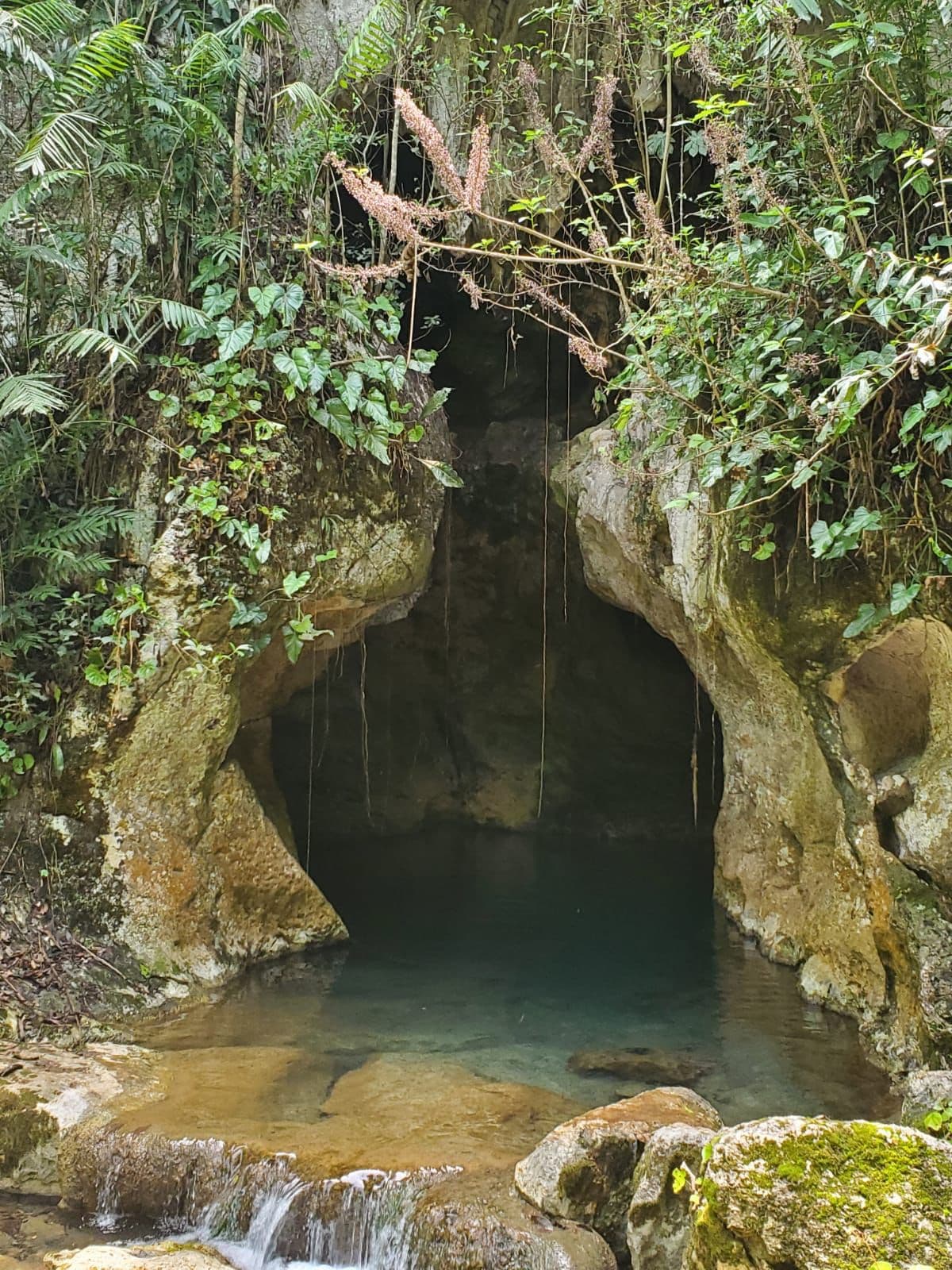
For high-skill tours like ATM Cave or Scuba Diving, $15-$25 USD per person is the standard for excellent service. Remember that these guides often handle heavy gear and your safety.
Waitstaff & Bars
In restaurants, check the bill for a "Service Charge." If one is included (usually 10%), no further tipping is required, though most leave an extra 5% for the server directly.
Captains & Crew
On snorkeling or fishing trips, the tip is often split between the captain and the deckhand. A lump sum of $20-$40 per group for a full-day trip is highly appreciated.
The 2:1 Rule & Your Tip
The Belizean Dollar is pegged 2:1 to the US Dollar ($1 USD = $2 BZD). This makes conversion simple, but it also highlights the value of your tip. A $10 USD tip is $20 BZD—which can pay for a full family meal at a local "panades" shop or a week's worth of school supplies.
When you tip in US cash, ensure the bills are clean and crisp. Banks in Belize often refuse US bills with even the slightest tear or ink mark, which can make it difficult for your guide to spend or deposit their earnings.
Historical Context: Service vs. Hospitality
Belizean culture is built on a foundation of genuine hospitality. Historically, the interaction between a host and a guest was seen as a peer-to-peer exchange of information and respect. As the tourism industry matured in the 1980s and 90s, the tipping model was adopted from the international market. However, the "Creole grit" and "Mayan humility" remain at the core of the service. Tipping is not seen as a supplement to a sub-standard wage, but as a recognition of a professional who has mastered their craft. In Belize, the person taking you into the cave is often a licensed scientist or a generational expert in bushcraft—tip accordingly.
The Sustainable Tourism Ripple Effect
The economy of Belize is roughly 40% dependent on tourism. When money enters the tourism sector via tips, it has a high "multiplier effect" in local villages. Guides and service staff typically live in small communities outside the main tourist hubs. Your tip travels from the coast or the Cayo district into the hands of local artisans, farmers, and small business owners who provide goods and services to the tourism workers. This decentralization of wealth is critical for the long-term sustainability of the Belizean economy and ensures that nature conservation remains profitable for the local populace.
Tips for Tipping: The Practical Mini-Guide
1. **Carry Small Bills:** Change is hard to come by in the jungle. Keep a stash of $1, $5, and $10 USD or BZD bills.
2. **Ask the Manager:** If you are unsure if a "Service Charge" goes to the staff, ask. Transparency is encouraged in Belize.
3. **Direct Gratitude:** Whenever possible, hand your tip directly to the person who provided the service. This ensures the intended recipient gets 100% of the gratuity.
4. **Non-Monetary Tips:** While cash is king, "tipping with knowledge" (like a positive TripAdvisor or Google review mentioning the guide's name) can be worth thousands in future bookings for that individual.
Empower our
Community
Your visit directly supports the conservation and preservation of Belizean heritage. Thank you for traveling with respect and gratitude.